Ten days in Tenerife is enough time to see the island properly, provided you do not try to see all of it by day three. The southern resorts, the high volcanic interior and the green north have different weather and different rhythms. I prefer an itinerary with a clear shape: settle in, take two thoughtful driving days, leave space for the sea, and keep one day loose for whatever the forecast does.
Start in the south, but treat the first two days as landing time
If you arrive through Tenerife South Airport, staying around Costa Adeje, Los Cristianos or Playa de las Américas makes the beginning easy. The coast is built for arrivals: supermarkets are close, restaurants stay open later than in small northern towns, and a tired traveller can walk by the water without solving a transport puzzle. Pick a place that is a comfortable base rather than the most fashionable dot on a booking map.
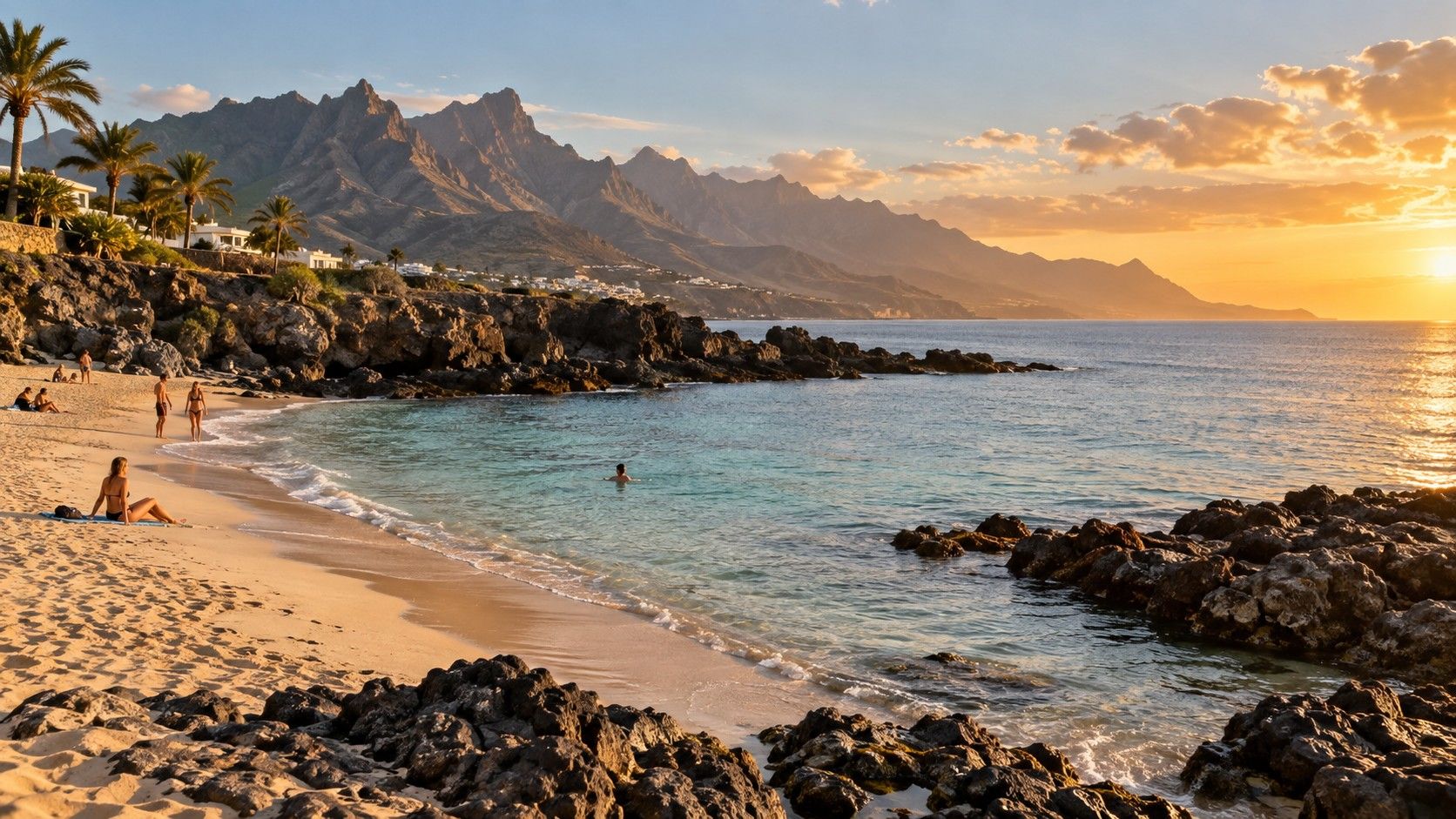
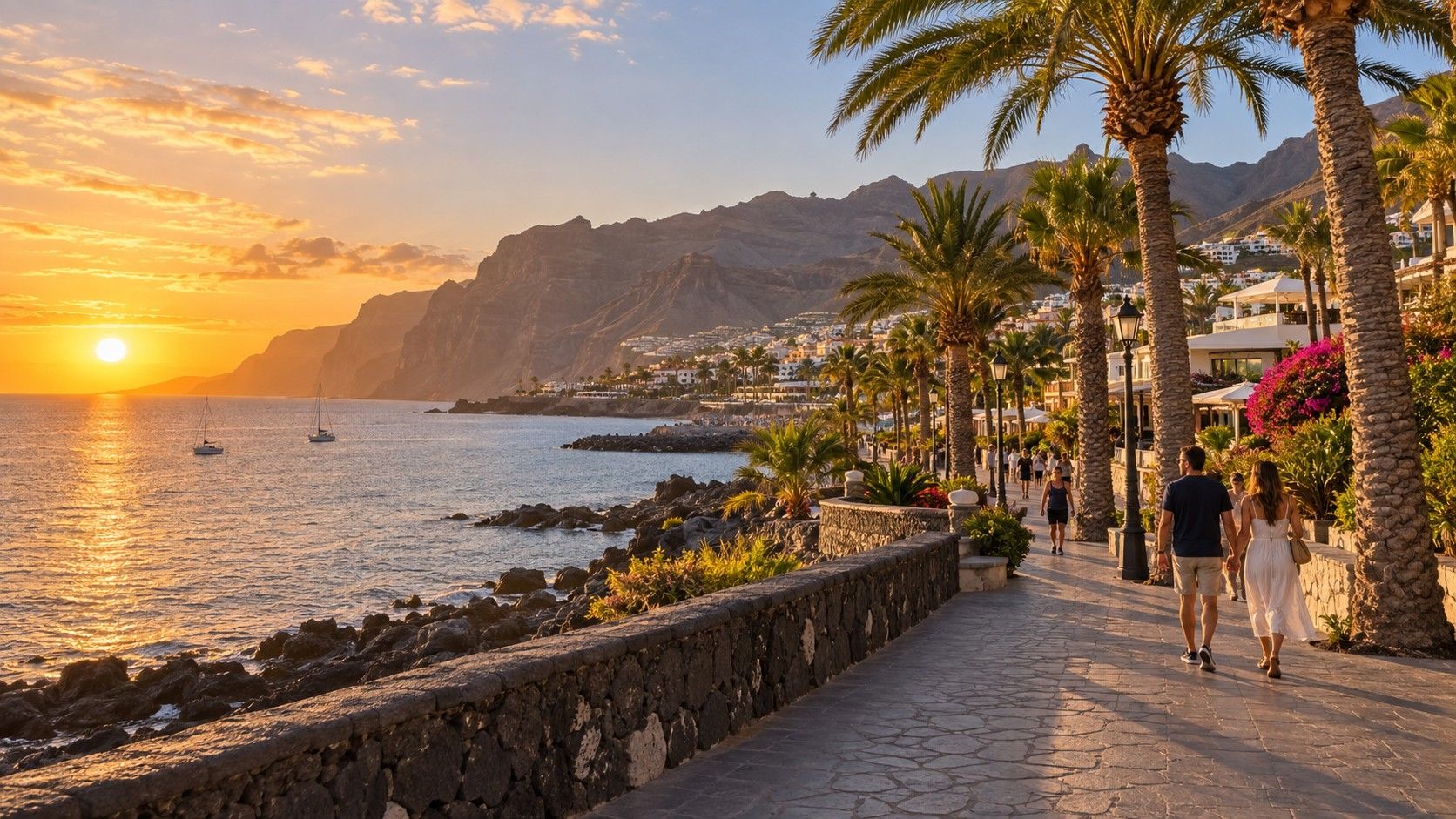
On the first afternoon, do very little. Buy water and breakfast supplies, check the wind on the beach rather than trusting an icon on your phone, and take a short walk between Los Cristianos and Costa Adeje. A swim is optional; ocean temperature and waves have their own opinions. The first day has a habit of disappearing into queues, luggage and an unfamiliar room, so planning a major excursion here usually produces irritation rather than insight.
Use day two for the coast nearest your base. Playa del Duque is convenient if you want facilities and easy access; quieter coves may suit you better if you are happy with a little walking. From a practical point of view, this is also the day to decide whether a hire car will improve the trip. For ten days, I would normally take one for part of the stay rather than pay for it to sit outside the hotel through beach days.
Give Teide a full day and check the mountain forecast first
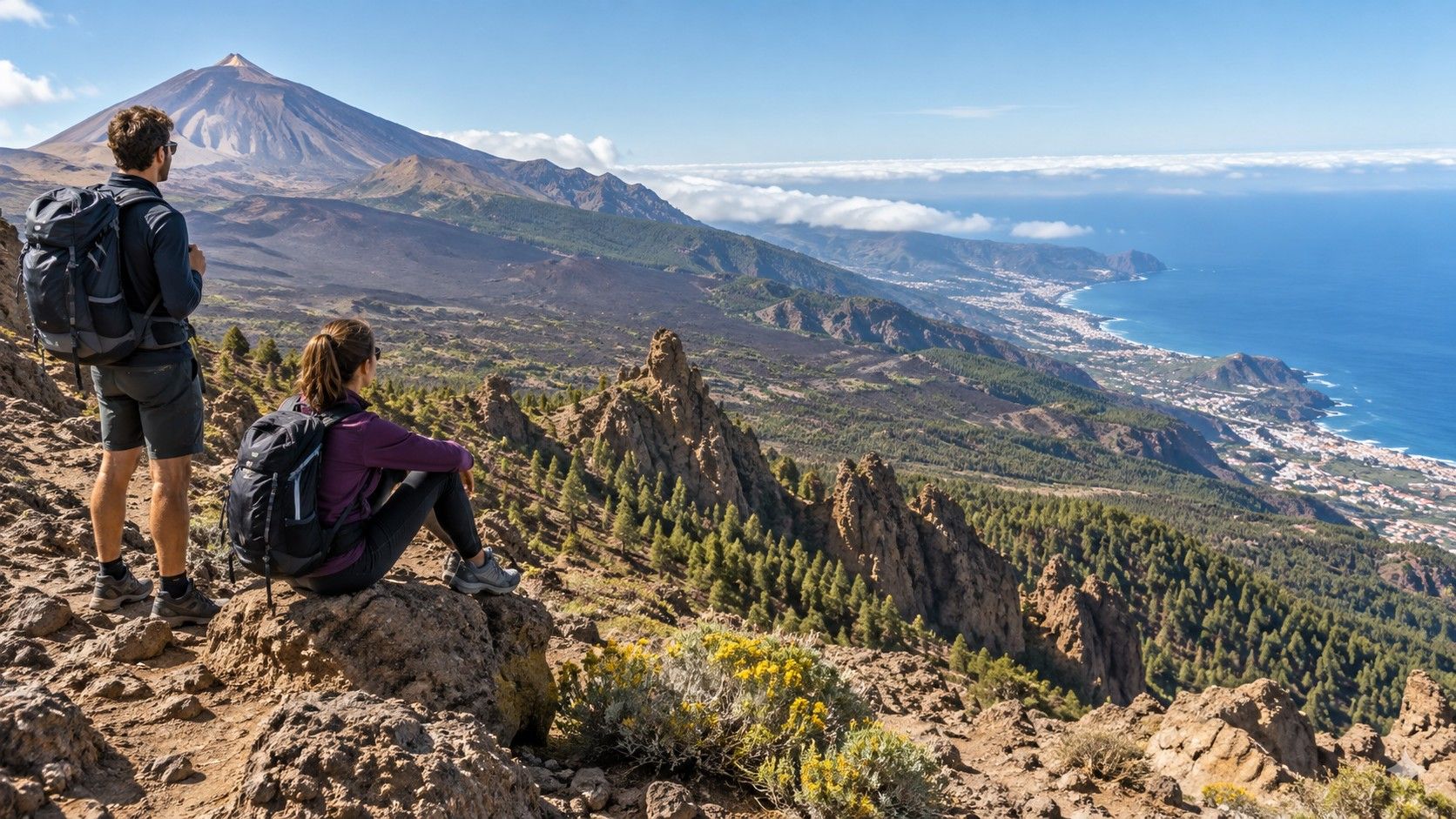
Teide National Park is the inland day that deserves your freshest attention. Leave early from the south through Vilaflor, carrying water, a warmer layer and something to eat. The road changes steadily from developed coast to pines and then to open volcanic ground. It is tempting to keep stopping at every pull-off; choose two or three and save enough energy for a short walk around the Roques de García area.
The cable car should be an extra possibility rather than the entire point of the day. Wind and cloud affect operations, and access arrangements can change, so check before you set out. The plateau has plenty to offer from ground level: dark lava, pale rocks and long views when the air is clear. At this altitude, a sunny beach morning tells you almost nothing about the temperature. I have been grateful for a light jacket more often than for another camera lens.
On the way down, allow time for the brakes, the bends and the fact that everyone is tired at once. A late stop in Vilaflor is calmer than trying to force a grand sunset plan. If Teide is completely clouded over, swap this day with a north-coast outing instead. A ten-day schedule is long enough to adapt; it is not a contract with a spreadsheet.
Move north for two nights if you want the island to feel less resort-led
Puerto de la Cruz makes a useful change of scene in the middle of the trip. The air is often cooler, streets have more everyday life, and the sea can look rougher than on the south coast. A two-night stay avoids driving back across the island after a long day and gives you a different evening routine. If changing hotels sounds tiresome, use it as a day trip, but accept that the drive adds a noticeable layer of effort.
Spend one morning in La Laguna before heading toward your northern base. Its pedestrian streets, old houses and cafés reward a slow couple of hours, particularly before the busier parts of the day. Then choose between La Orotava and a direct coastal route. La Orotava is better when you want balconies, steep lanes and a town that feels inhabited rather than staged for a quick stop.
In Puerto de la Cruz, the black-sand shoreline and pools suit an observational afternoon more than a guaranteed beach session. Watch the sea conditions and do not assume every stretch is appropriate for swimming. This is a good place for a long lunch, a promenade and an early night before Anaga. The contrast with Costa Adeje is useful: it stops the holiday becoming a sequence of identical hotel breakfasts.
Use Anaga as a weather-aware day, not an endurance test
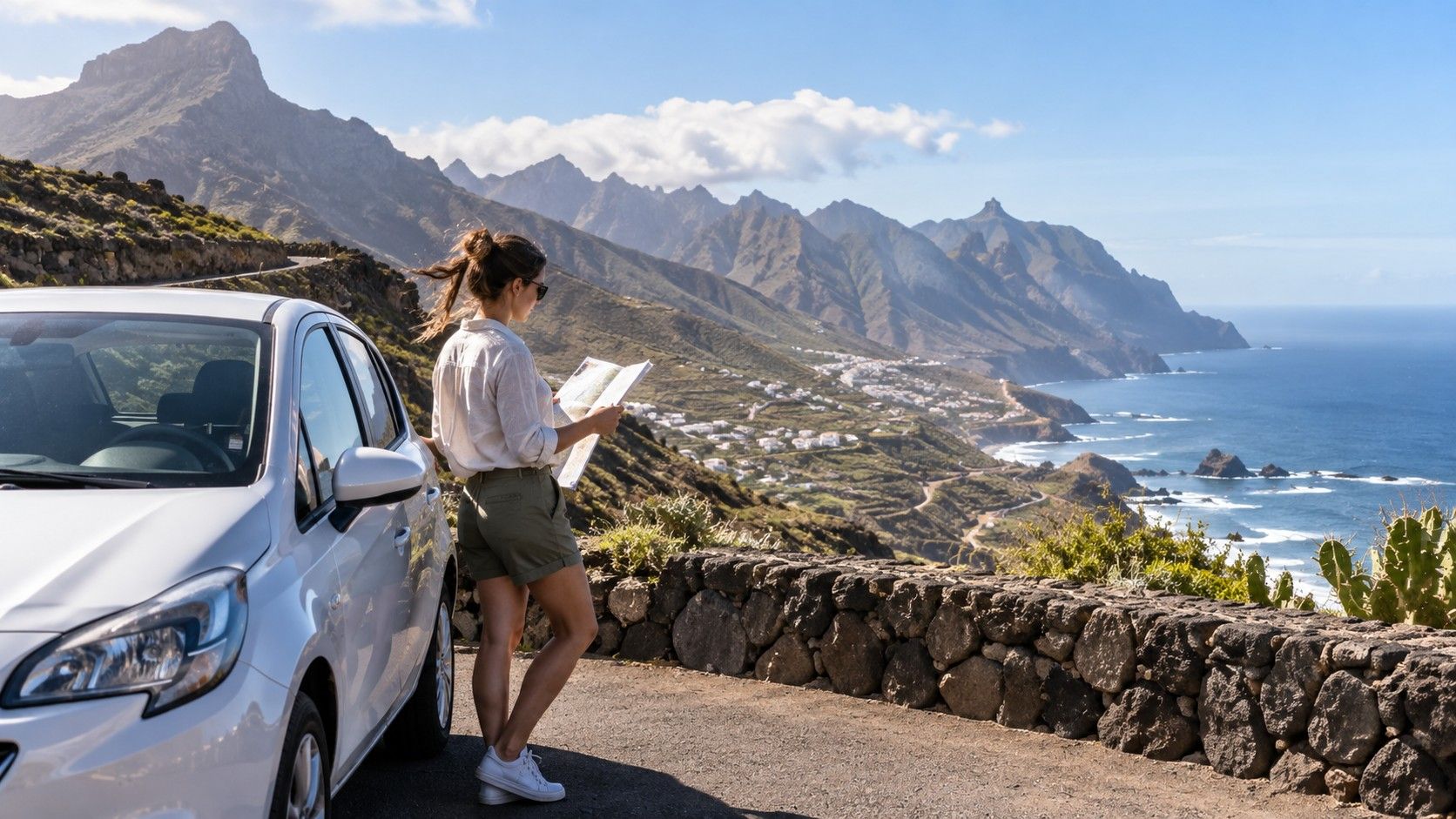
Anaga Rural Park is close enough to La Laguna to look simple, yet its narrow ridge roads take concentration and time. Go out with a full phone battery, downloaded maps and no need to arrive anywhere at a precise minute. Low cloud can make the forest feel intimate and moody; it can also remove the views. I would still go if the forecast is mixed, but I would choose a short walk and accept that the day may be about trees, damp air and a village lunch rather than panoramas.
Cruz del Carmen is a sensible first stop, especially if you want a marked trail without committing to a major hike. Parking at popular trailheads fills early, and reversing on narrow stretches is not enjoyable after a long flight week. Let local drivers pass, stay patient at bends and keep the day modest. The drive down toward Taganana is memorable, but it should be a choice made while you still feel alert.
If you reach the north coast, look at the water before unpacking swimwear. The beach may be peaceful yet the surf may be strong. A coffee, a short shoreline walk and a late meal can be entirely sufficient. The strongest Anaga days are the ones with room to turn back when cloud, tiredness or traffic says that is the sensible call.
Put the west coast and Los Gigantes on a separate day
Return south, then keep a day for Los Gigantes and the west coast. The cliffs are most satisfying when treated as part of a coastal day rather than a short stop between larger ambitions. Go early enough to find parking without circling, walk the marina area, and decide whether a boat trip is worth it for you based on sea conditions and your tolerance for organised excursions. Watching the harbour for a while is often enough to make a good decision.
From there, Garachico makes a fine extension if you are willing to give the road time. Its lava pools and compact streets are attractive, although the pools depend on calm conditions and may be closed or uncomfortable in a swell. A better plan than chasing a perfect swim is to park once, wander, have lunch and enjoy the change in light along the black coast.
| Days | Base or area | Focus | Keep flexible |
|---|---|---|---|
| 1-2 | Costa Adeje or Los Cristianos | Arrival, coast, supplies | Wind and sea state |
| 3 | Teide National Park | Volcanic landscapes | Cloud and cable-car conditions |
| 4-5 | Puerto de la Cruz or north | La Laguna, La Orotava, slower evenings | Change of hotel if it feels burdensome |
| 6 | Anaga Rural Park | Forest, ridges, short walk | Visibility and parking |
| 7-8 | South or west | Los Gigantes, Garachico, beach time | Sea conditions and driving energy |
| 9-10 | Your preferred base | Rest, repeat a favourite, departure | Weather replacement day |
Save two days for the part most itineraries forget: rest and revision
Days seven and eight are where a 10 days in Tenerife plan becomes pleasant rather than overfilled. Use one as a genuine beach day near your base. No route, no museum list, no promise to drive somewhere because it is technically nearby. If the south is windy, move to a sheltered beach or take a long lunch instead. The point is to have enough slack that weather does not feel like it has stolen a paid-for day.
Keep day nine as a replacement day. If Teide was cloudy, try again. If Anaga was fogged in, use the clearer side of the island. If everything worked, repeat the place that felt too rushed: La Laguna at lunch, a quieter stretch near Costa Adeje, or Garachico when the pools are calm. Returning to one place is more revealing than adding a sixth rushed stop.
End close to the airport and make the last day deliberately small
For a flight from Tenerife South, the final night is easiest near the southern coast rather than after a late dash from Puerto de la Cruz. Fill the fuel tank before the busiest airport approaches, photograph the car at return if you hired one, and keep swimwear accessible if your accommodation has a final beach morning. These are plain details, but they protect the mood of the last day.
On departure day, choose one modest pleasure: coffee by the promenade, a final short swim when conditions allow, or a walk with no destination. Do not put Masca or a long mountain drive before an afternoon flight. Tenerife is compact enough to invite that mistake and slow enough to punish it. Ten days gives you something better: a trip with a few strong memories, a few unplanned pauses, and no need to pretend you conquered the island.