Costa Adeje is often sold as one smooth strip of sunny hotels, but the choice of address changes a holiday more than the brochures admit. A room near Playa del Duque, a flat behind Fañabé, and a quieter stay by La Caleta all put you in Costa Adeje; they do not give you the same beach walk, dinner options or tolerance for late-night noise. I would choose this coast for an easy south-Tenerife week, then choose the exact stretch with a little suspicion.
Start with the sort of holiday you actually want
Costa Adeje works best for people who value a predictable day: a beach within walking distance, a promenade for an evening lap, plenty of food nearby and straightforward taxis after a flight into Tenerife South Airport. It is a polished resort area, so it is useful for a first visit, families with children and couples who would rather save their energy for Teide or a boat trip than for hunting down breakfast.
Its weakness is also clear. Much of the coast runs on visitor logic: hotel entrances, beach services, menus aimed at holidaymakers and busy pavements at the obvious hours. If you are looking for old town life or a strong local rhythm, stay in Adeje town or elsewhere and visit the coast. If a clean beach, a swim before lunch and a simple walk home sound good, the resort logic is precisely the point.
I would not book merely because a listing says Costa Adeje. Check the map for the beach, the nearest supermarket and the route back at night. A place can look close to the sea while sitting above a steep road, or be technically near Fañabé but a long, hot walk from the section you want to use every day.
Playa del Duque is for a more composed base
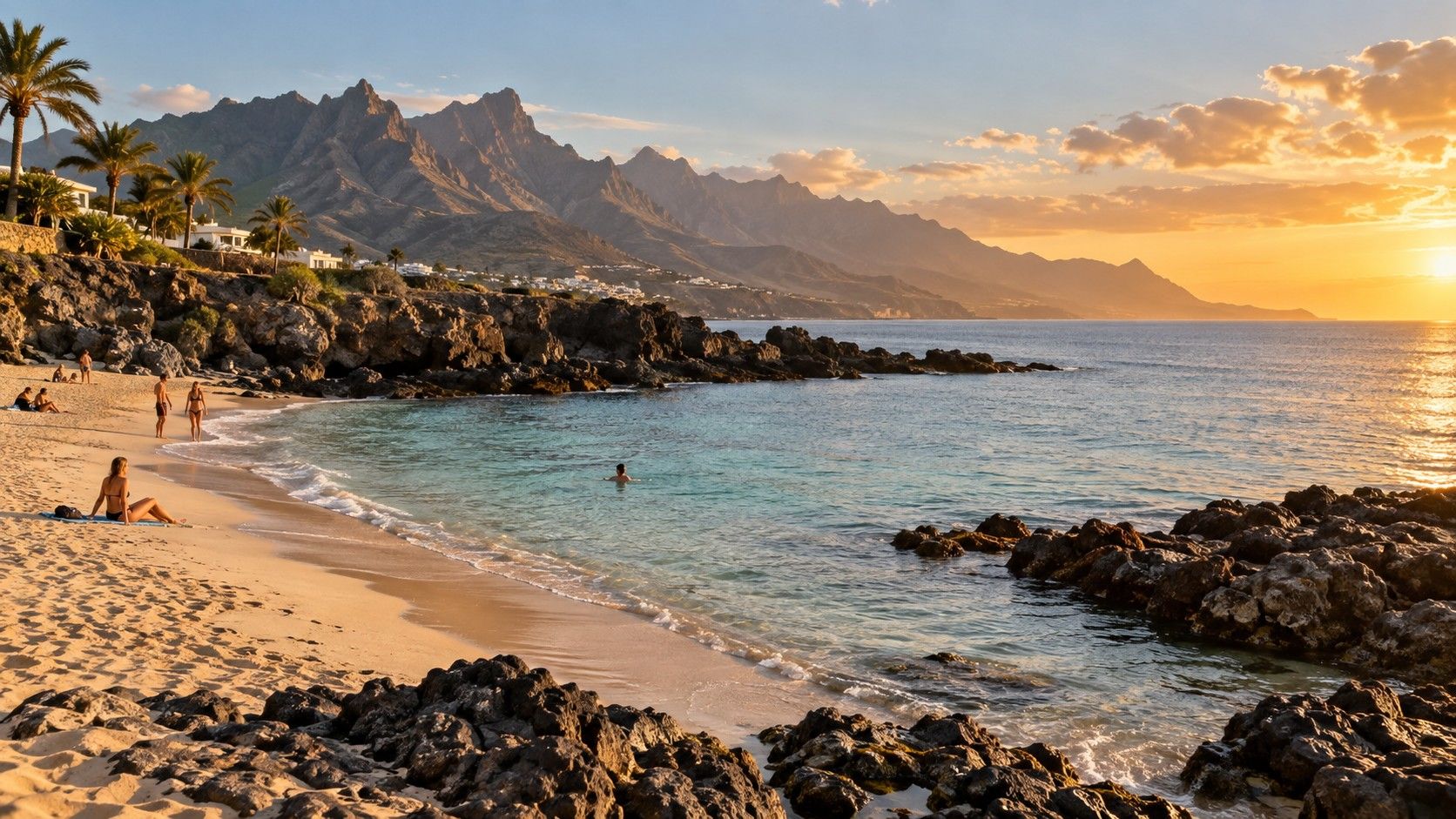
Playa del Duque is the smart, orderly end of the area. The sand is pale, the beach is sheltered enough for an unhurried day, and the surrounding hotel zone feels more spacious than the busier central promenade. It suits travellers who want a good-looking beach close by, a calm evening drink and accommodation where the public spaces have been designed rather than added one shop at a time.
The catch is price and atmosphere. This is usually the part of Costa Adeje where a higher hotel bill buys quieter pools, tidy landscaping and a more restrained crowd. It can feel a little sealed off if you enjoy the accidental bustle of a Spanish resort. I like it for a couple's break, for a parent who wants the beach day to be uncomplicated, or for anyone who would rather walk west toward La Caleta than east toward louder bars.
Look carefully at the difference between being on the beach side of Avenida de Bruselas and being uphill from it. The uphill properties can be perfectly good, but the return walk after a lazy afternoon is more noticeable than a map suggests. A taxi is inexpensive compared with moving hotel, but it is better to know what you are buying.
Fañabé and Torviscas trade polish for practical momentum
Playa de Fañabé and the Torviscas side are where Costa Adeje becomes more forgiving. There are more casual restaurants, beach facilities, mini-markets and passing foot traffic. Families often find this easier because lunch, shade, toilets and a change of scenery are close together. A group with different ideas about the afternoon can split up without a major logistical meeting.
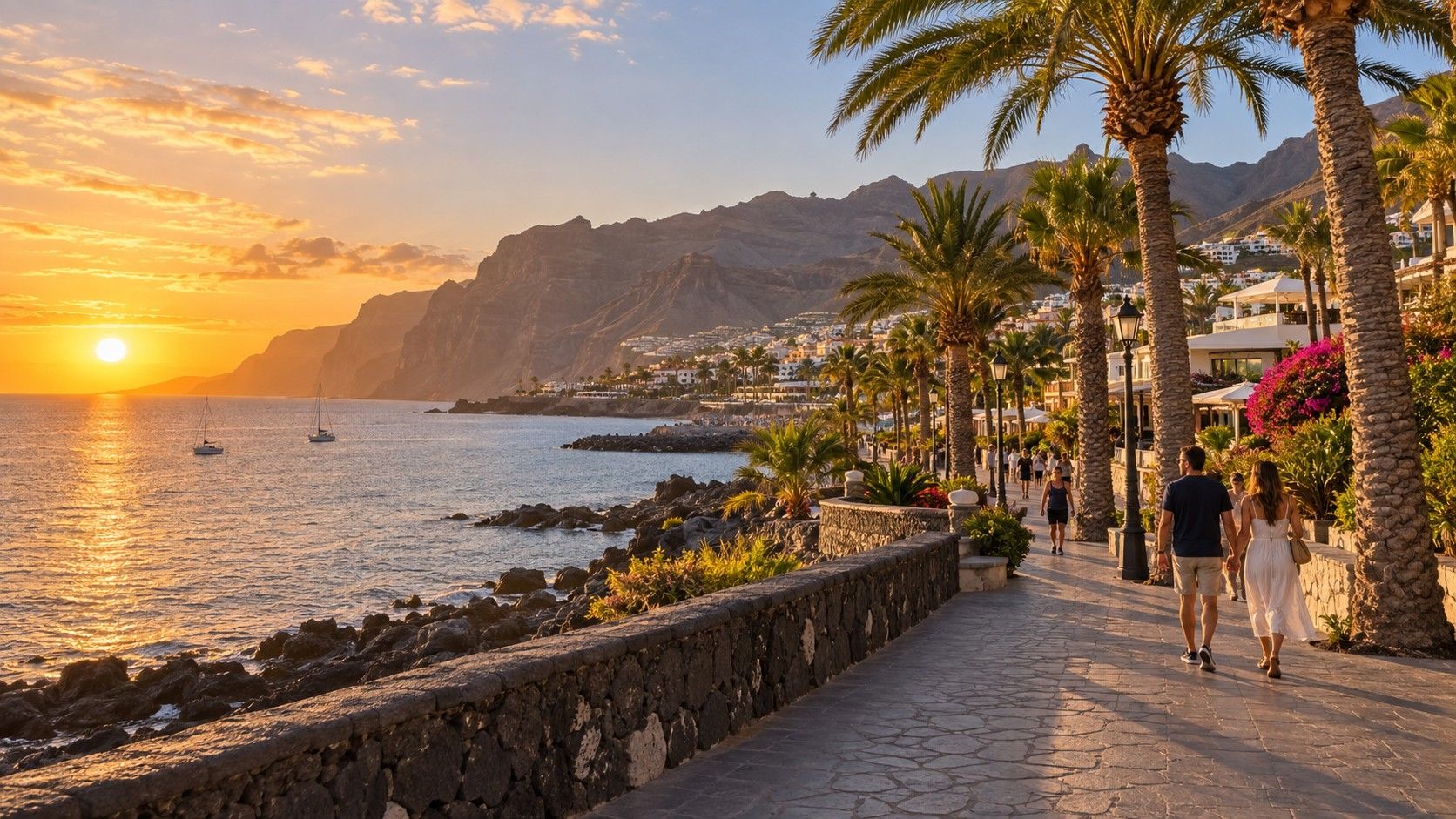
The promenade between Fañabé and Puerto Colón makes the location useful. You can walk to a beach, follow the coast toward Playa del Duque, or head east toward Playa de las Américas without moving the car. That matters on a holiday where a hire car is only needed for selected days. In the centre of the strip, expect more people around lunch and after dinner, plus occasional noise from bars or deliveries.
| Area | Choose it for | Check before booking |
|---|---|---|
| Playa del Duque | Comfort, a polished beach and quieter evenings | Whether the property is uphill from the beach |
| Fañabé | Easy family days, promenade access and choice of food | Distance from the apartment to the actual sand |
| Torviscas / Puerto Colón | Boat trips, practical services and a livelier walk | Noise, traffic and the exact side street |
| La Caleta | Slower dinners and walks toward the western coast | How much you rely on shops and nightlife nearby |
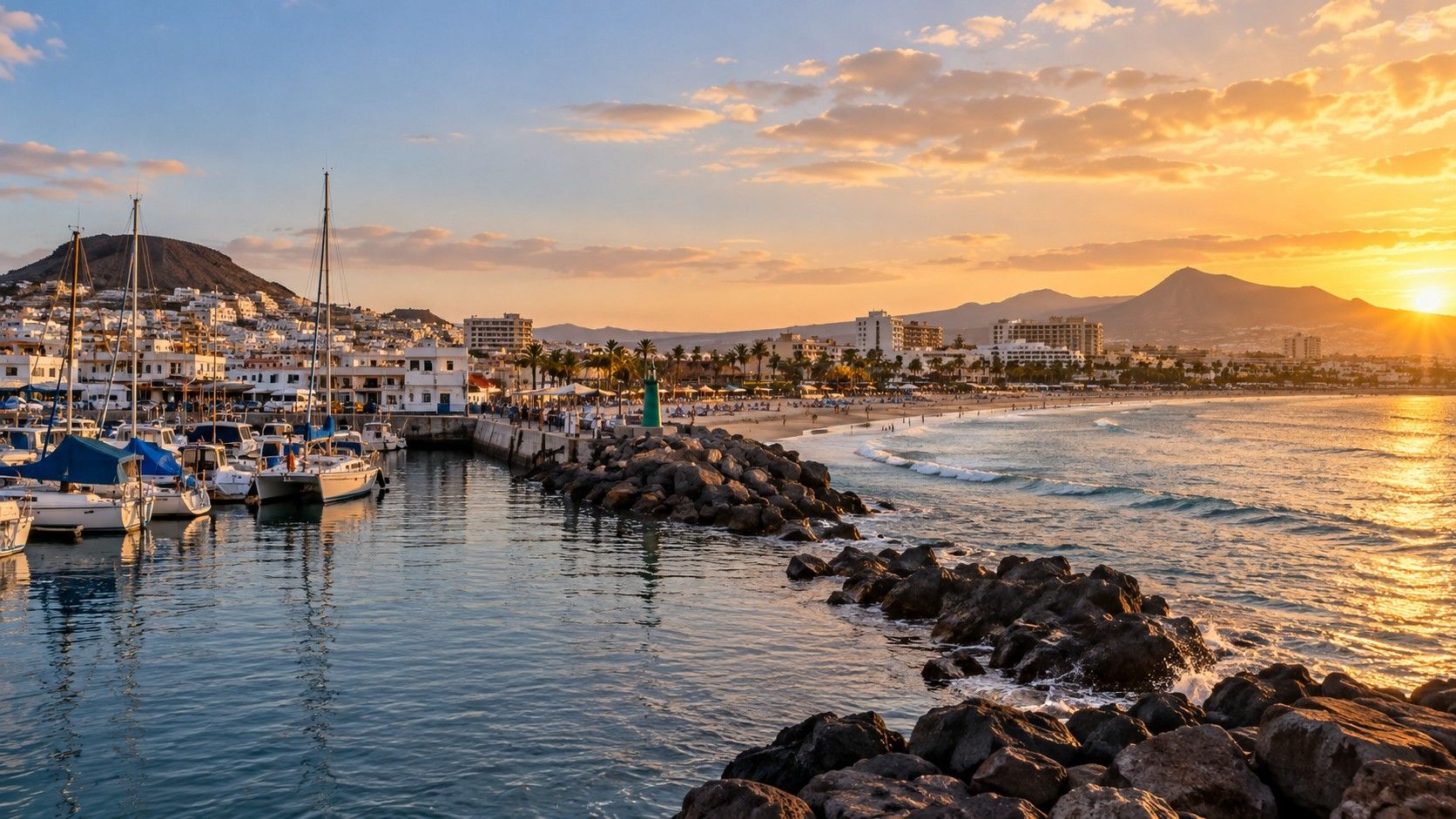
Torviscas and Puerto Colón are a sensible fit if boat trips are high on the list or if you like seeing activity around you. The harbour brings excursion sellers, people returning from the sea and a more constant resort hum. It is not a secluded base, but it is convenient. For a short stay, convenience can outweigh the desire for a perfect view from a quiet terrace.
La Caleta suits a slower evening, with a few compromises
La Caleta sits at the western edge of the developed coast and feels less dense than the central beaches. Its appeal is not an empty village untouched by tourism; it is a calmer end to a very visited shoreline, with fish restaurants, a small beach area and an easy route along the sea. I would consider it if a long dinner and a coastal walk matter more than having every bar and supermarket downstairs.
It is a good choice for travellers who plan to rent a car for a few days, especially if golf, the south-west coast or trips toward Los Gigantes are part of the route. The road connections make more sense here than they do from the middle of a pedestrian-heavy resort. On the other hand, someone relying on the nearest beach, a large choice of cheap meals and an evening full of movement may find the centre around Fañabé more comfortable.
Walk the seafront in the late afternoon if you can. The distance from La Caleta to Playa del Duque is manageable for a deliberate walk, but it is not a tiny stroll in midday heat. Bring water, use sun protection, and decide in advance whether the return will be on foot or by taxi. Those small decisions separate a pleasant holiday walk from a tired argument beside the road.
Beach access matters more than the hotel pool
Most visitors imagine that the beach will be the centre of the day and then discover that the pool has won by breakfast. Even so, direct access to Playa del Duque, Fañabé or Torviscas gives a stay more flexibility. You can swim for an hour, return for a shower, then go out again without organising bags, parking or a whole family expedition. That is valuable in the windy periods when a pool may be calm while one beach feels less inviting.
The beaches are maintained and deliberately easy to use. They are not remote coves, and I would not pretend that they have the untouched feel of a northern black-sand beach. Their strength is the opposite: parasols, cafés, lifeguard areas, level promenades and a reliable place to spend a recovery day after travelling or driving in the mountains.
For walking, the coastal route is the feature that keeps Costa Adeje from feeling like a row of separate hotels. Start at Playa del Duque for a quieter morning, pass Fañabé and Torviscas when you want more activity, and continue toward Las Américas if you are curious about the change in atmosphere. Wear shoes you would happily use for several kilometres. Resort pavements look harmless until everyone has covered more distance than planned.
Plan evenings by neighbourhood rather than chasing a perfect restaurant
There are plenty of places to eat in Costa Adeje and they vary in the ordinary way of resort restaurants. I would set a modest aim: a comfortable table, food you actually want, and a walk home that does not become a mission. Playa del Duque is better for a more dressed-up meal; Fañabé and Torviscas are easier for casual choice; La Caleta makes sense when dinner is intended to be the evening's main event.
Book ahead for a sunset table, a larger group or a special meal. On normal nights, walking and choosing is part of the pleasure, especially around Fañabé where there is no need to settle on the first menu. But do not leave a hungry group to debate every option at 9pm. Resort areas have enough choice to make indecision worse, not better.
Nightlife is present but unevenly distributed. The western parts of Costa Adeje stay calmer, while the eastern edge moves naturally toward the louder Playa de las Américas scene. If you want music and late bars most evenings, stay nearer that border or choose Las Américas itself. If you want a drink and sleep, be honest about how far east your accommodation sits.
Use Costa Adeje as a base, not a complete version of Tenerife
From Costa Adeje, Teide, the cliffs at Los Gigantes and the south-west villages are realistic day trips, especially with a car. Teide needs a warm layer even when the coast begins hot, and the mountain roads deserve time rather than a rushed timetable. Los Gigantes works well as a coastal change of scene. Masca can be beautiful but its bends make it a poor add-on to an already full day.
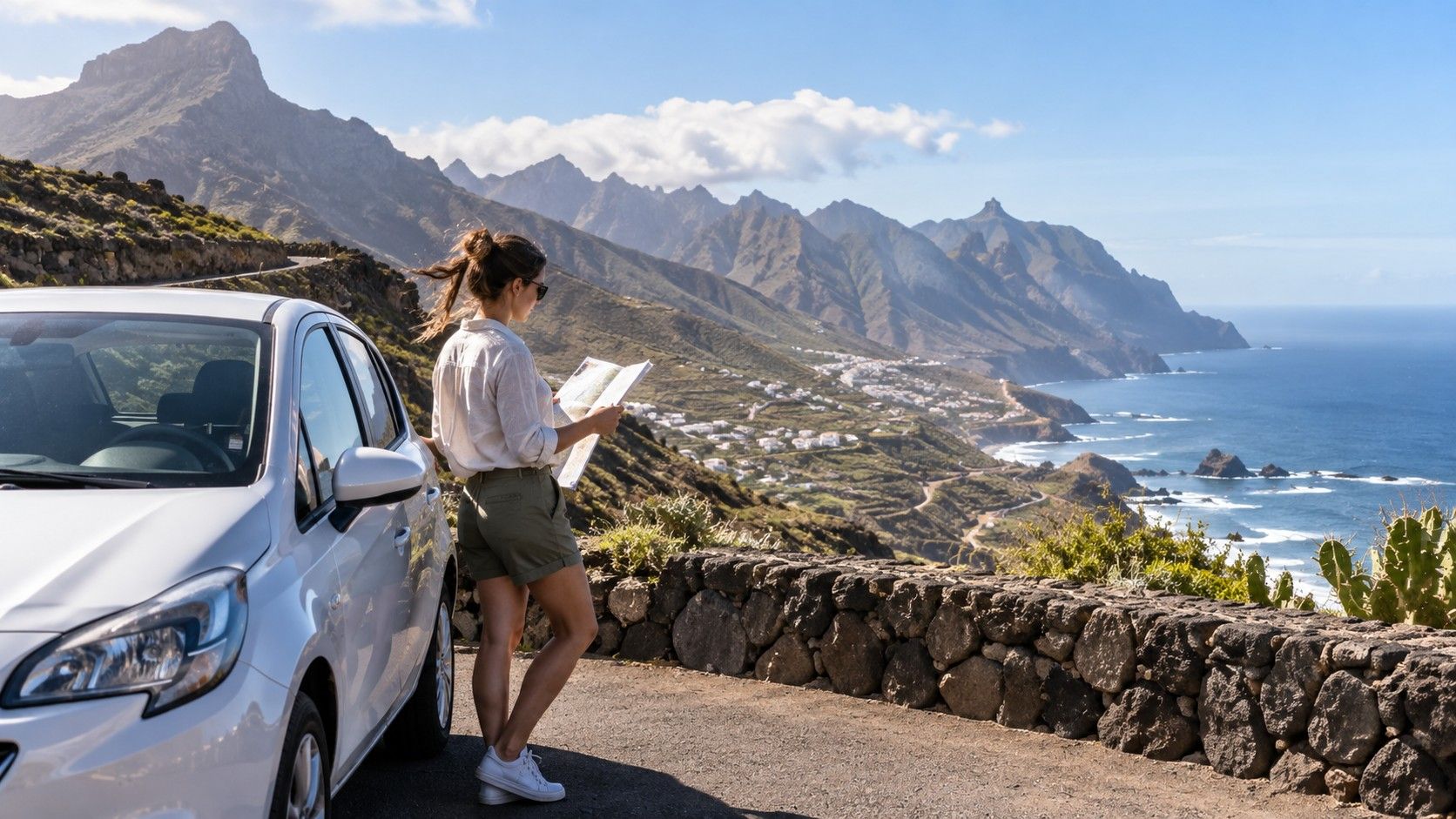
The green north, La Laguna and Anaga are possible but demand a longer commitment. I would not squeeze them into a casual half-day simply because the island looks small. The driving time, changing weather and desire to stop along the way are all real. A car makes Costa Adeje flexible, but it does not make Tenerife flat or instant.
Choose Costa Adeje if you want the south coast to remove friction from a holiday. Pick Playa del Duque for a composed stay, Fañabé or Torviscas for practical energy, and La Caleta for a calmer western edge. Then leave the resort on the days when you want volcanoes, cliffs or greener landscapes. That balance is more satisfying than expecting one well-managed beach town to answer every version of Tenerife.