Do you need a car in Tenerife? The honest answer changes with the hotel address more than with the island itself. A couple staying in Costa Adeje for beaches and meals can have an easy week without keys. A family hoping to see Teide, Anaga and scattered villages will probably enjoy the holiday more with a car, provided the driver is comfortable with bends, parking and plans that move with the weather.
A car adds value when your days leave the resort strip
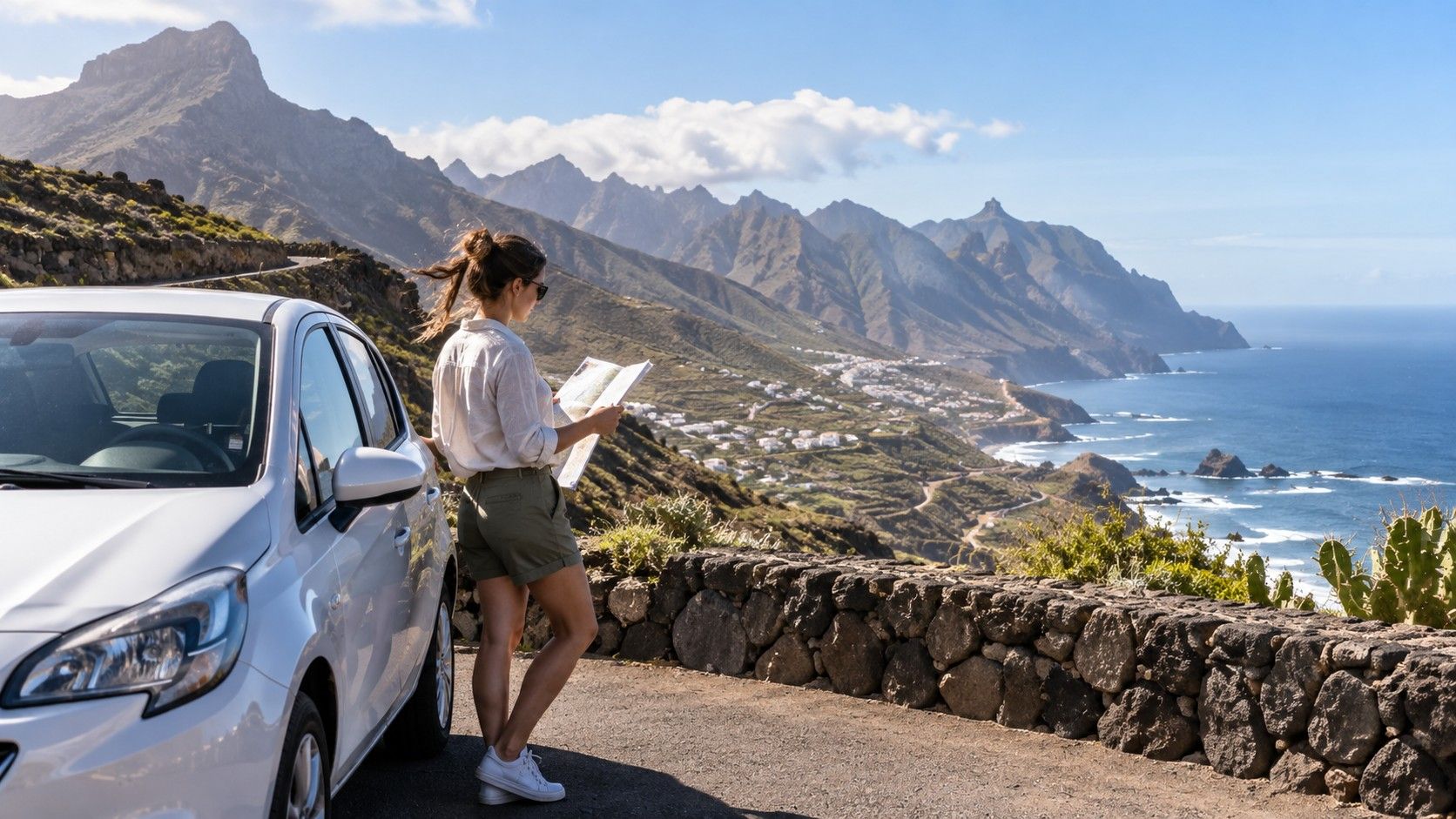
Hire a car if the list includes Teide National Park, an Anaga Rural Park day, remote beaches or a route that links several inland stops. It is not the headline distance that matters; it is being able to pause at a mirador, change direction when cloud arrives, and leave after lunch without calculating the last bus. The road to Teide from the south climbs steadily through Vilaflor and can turn a simple excursion into a full day. In Anaga, public transport reaches places that visitors want to see, but a car gives more control over viewpoints and short walks. That freedom has a cost: a driver must stay attentive on narrow sections, and parking near small villages can be a puzzle. If those details sound tiring, fewer excursions by bus or tour may be a better holiday.
You can stay car-free around the south with little sacrifice
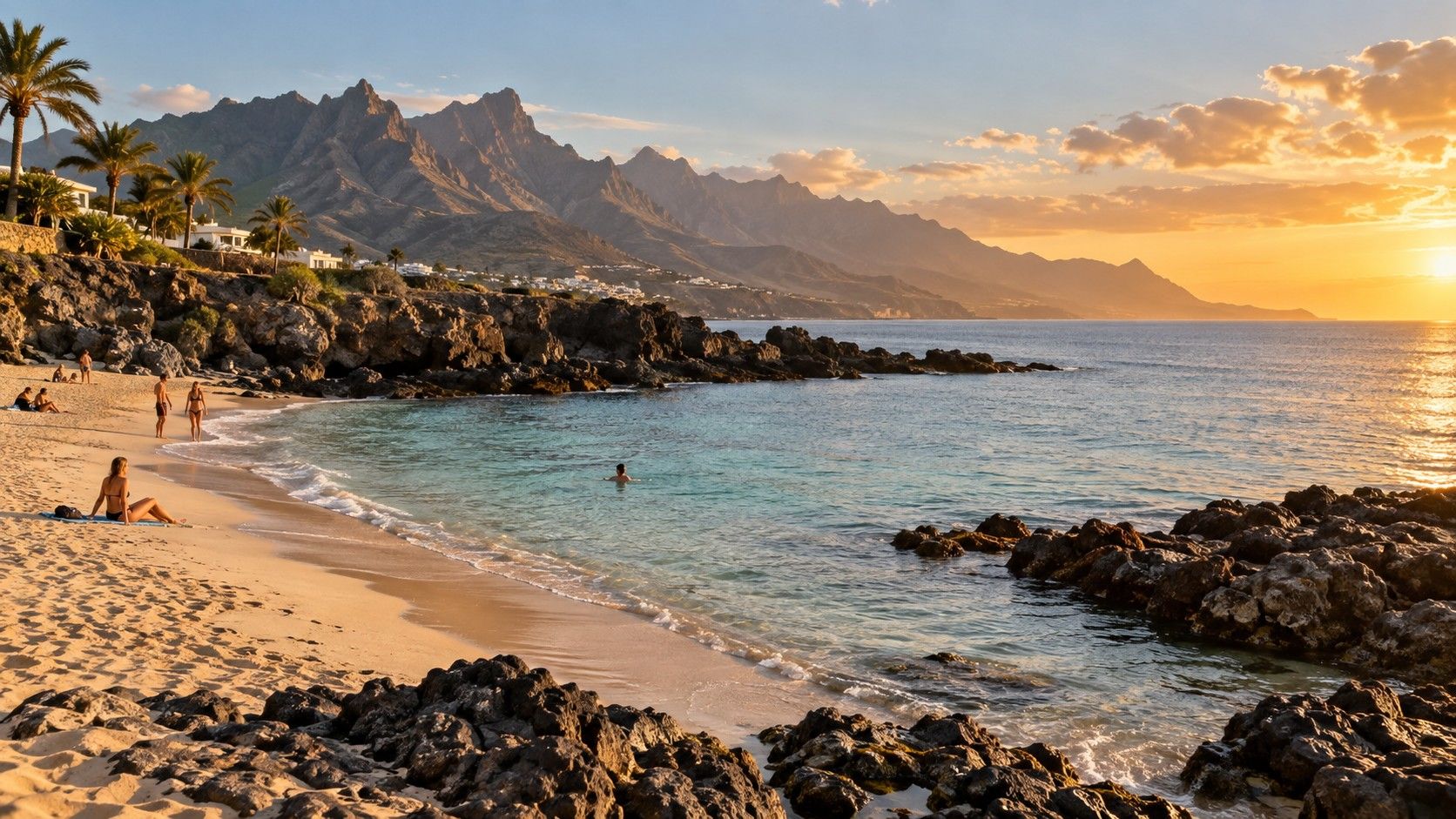
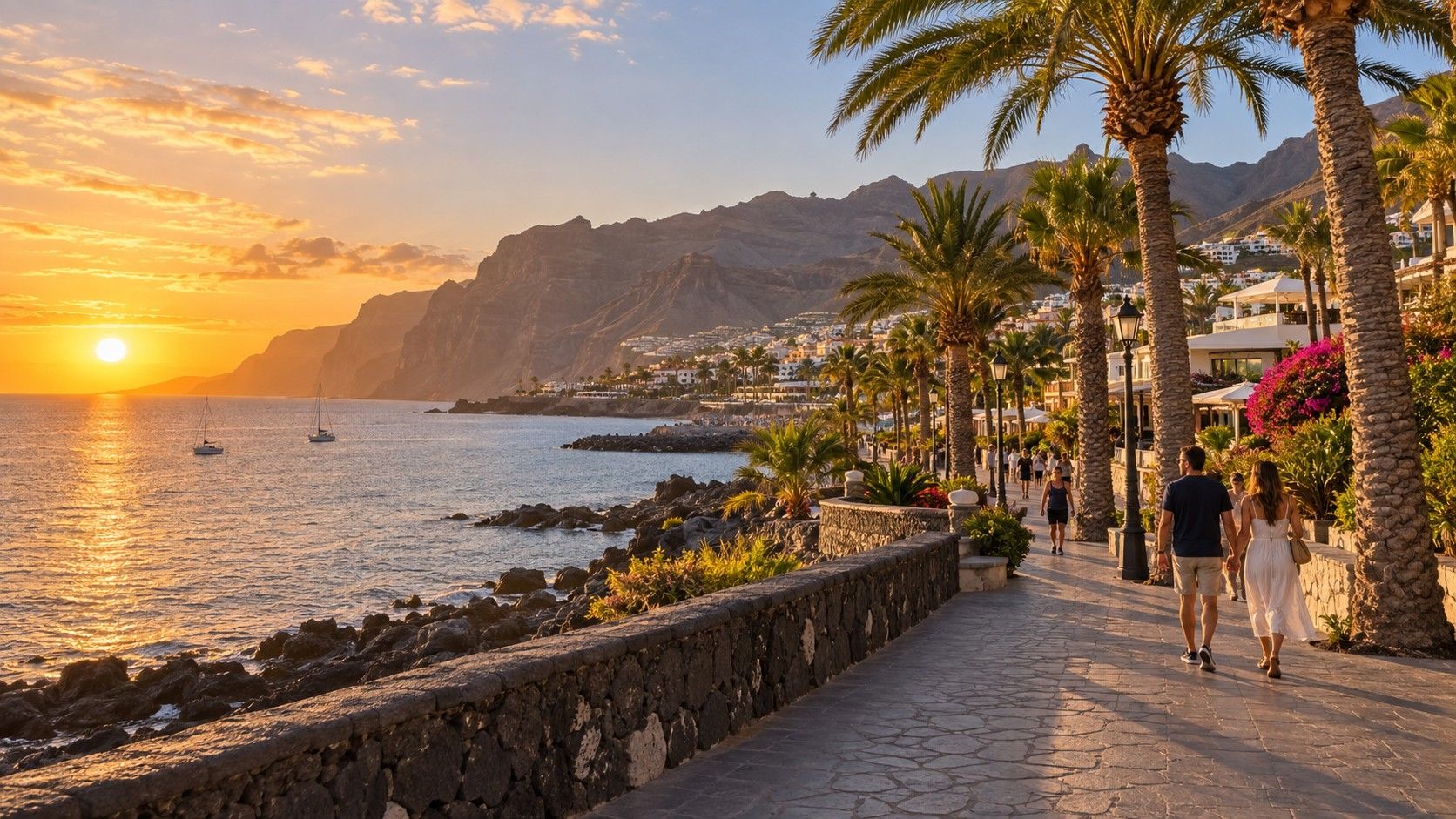
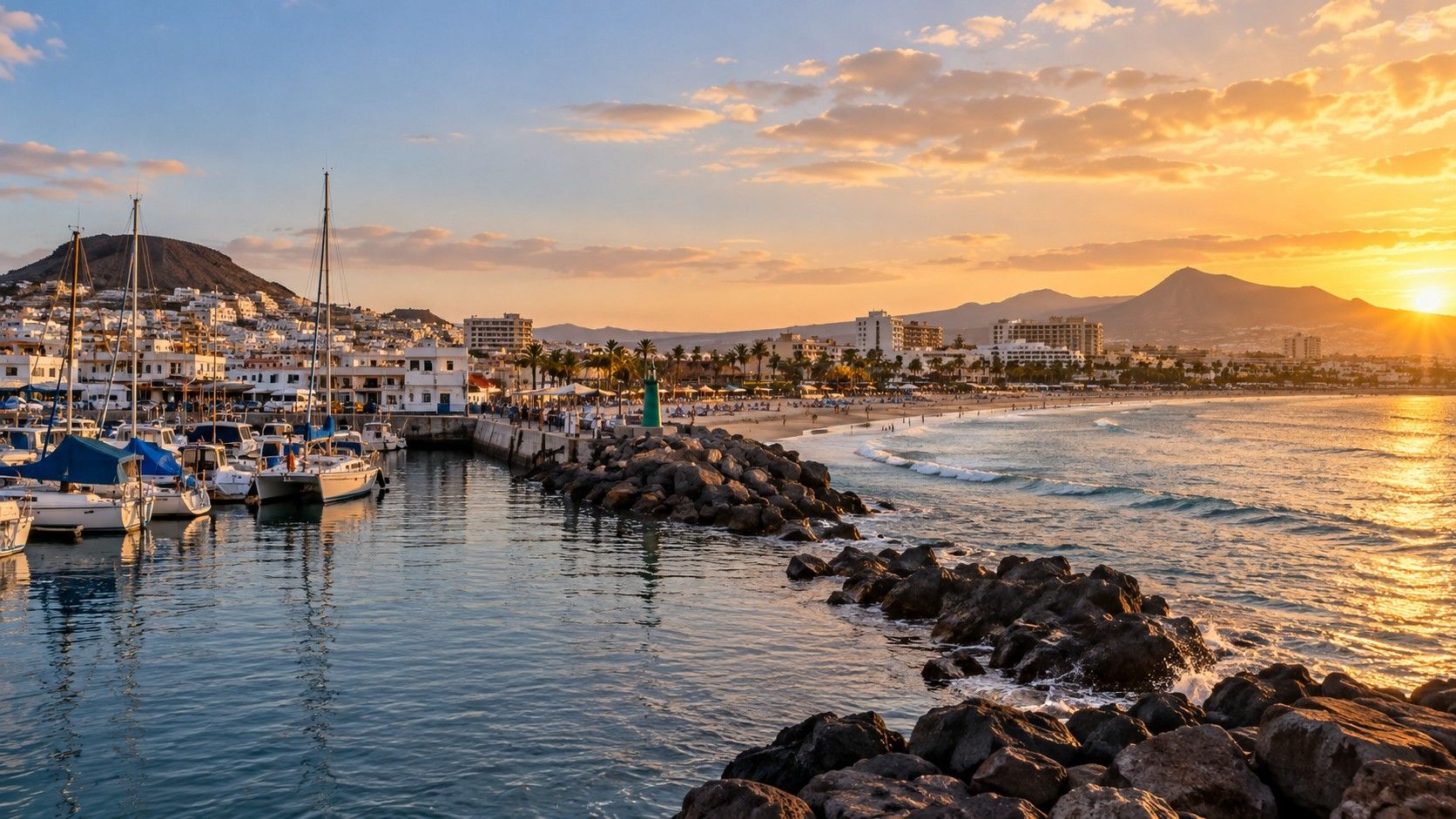
From Costa Adeje, Playa de las Américas and Los Cristianos, walking covers a surprising amount of ordinary holiday life. Beaches, supermarkets, restaurants and promenade evenings are close together, while taxis are useful for a late dinner or a tired return. Tenerife South Airport is also near enough that airport transfers do not require a rental vehicle. TITSA buses connect the main resort areas and can work well when you treat them as transport rather than a sightseeing race. Check the current timetable and the last return before leaving, especially on Sundays or for an inland route. For a boat trip from Los Cristianos, a water park day, or a beach-focused break, a car can spend most of the week sitting in paid hotel parking. I would rather use that money for one organised mountain excursion or a taxi when it genuinely helps.
Choose by base before comparing rental prices
| Your base and plan | Car verdict | Why |
|---|---|---|
| Costa Adeje or Los Cristianos, beach week | Usually optional | Walking, taxis and buses cover daily needs |
| South base with Teide and west-coast plans | Helpful for part or all of the stay | Excursions become more flexible |
| Puerto de la Cruz, mixed north-island days | Often useful | Rainforests, villages and coastal stops spread out |
| Rural house or multiple hotel bases | Strongly recommended | Luggage and irregular bus links complicate travel |
| One nervous driver and no mountain ambitions | Skip it | The practical burden can outweigh freedom |
Do I need a car in Tenerife if I am staying in the north? The answer leans more strongly towards yes, though it is still not automatic. Puerto de la Cruz has buses, walkable streets and enough to do close by. A car becomes useful when you want the wild north coast, La Laguna, Anaga and an inland lunch on your own timetable. In contrast, collecting a car at the airport just because it appears cheap can lock you into finding parking every evening. Ask the accommodation about its actual parking arrangement before booking, not after landing with suitcases and a queue behind you.
Be realistic about driving confidence on the mountain roads
Tenerife's main roads are generally straightforward, and the motorway makes the airport-to-resort journey uncomplicated. The character changes after you turn towards Teide, Masca or the Anaga ridges. Roads can be narrow, steep and busy with coaches, cyclists or walkers edging towards viewpoints. The sensible driver goes slowly, lets faster local traffic pass where safe, and does not try to photograph from the driver's seat. A compact car is often easier than a large one in village parking bays. Check fuel before the longer mountain section, keep water and a layer in the car, and download a map for areas where signal fades. If a passenger gets carsick, mountain routes deserve a gentler schedule with regular stops. There is no shame in choosing a guided day for the route that makes everyone tense.
Parking is the everyday cost people forget to include
Parking shapes the car decision more than most booking screens admit. Large resorts may offer a hotel garage, a paid space or street parking that is easy at breakfast and frustrating at dinner. In Los Cristianos and parts of Costa Adeje, returning late can mean circling streets when the holiday mood has already worn thin. At beaches, arrive early if a particular cove has limited spaces, then be prepared to use a legal paid area and walk. Mountain viewpoints are less predictable: pull in only where the car is fully out of the traffic lane. Never assume a scenic shoulder is a parking place. A few euros for a convenient space can be worthwhile; a badly parked car is not an adventurous story worth collecting.
A mixed plan is often the best answer
The most sensible compromise is to remain car-free for the resort portion and hire for two or three targeted days. Collect near Tenerife South Airport only if that makes handover easy; otherwise a local rental point can save you from paying for idle days. Use the car for Teide, the west coast or Anaga, then return it before the part of the trip built around walking, swimming and dinner. Book any time-sensitive activity first, because cable-car access, boat conditions and mountain weather can rearrange the ideal driving day. Keep a bus or taxi fallback in mind rather than assuming the rental car makes every route painless. Tenerife rewards mobility, but it also rewards knowing when to put the keys away and stay near the sea.
Make the final call with three plain questions
First, will you leave your base on at least three separate days? Second, is there a confident driver who will still be comfortable after an hour of bends and an awkward parking bay? Third, does your accommodation provide realistic overnight parking? Three yes answers usually justify a rental. One yes answer points towards buses, taxis and a chosen excursion. This small test avoids both extremes: hiring a car that becomes a burden, or declining one and then spending every morning negotiating connections. The right choice is the one that makes the days you actually want feel easier, rather than the one that looks most independent on paper.